管理人オススメコンテンツはこちら
「終わりの見えないデスマーチ|リストラ後の職場に蔓延する沈黙と恐怖」
〜前回のつづき〜
●リストラ会社に残った社員のその後
リストラが行われた会社では
ほぼ確実に職場環境が変わります。
しかもその変化は
高確率で『悪い方向』です。
・リストラの対象にならなかった社員
・退職勧告をなんとか耐え抜いた社員
こうした『会社に残った側』の人たちも
職場環境の悪化からは逃れられません。
そもそも会社が
リストラを行う理由は
とてもシンプルです。
「会社がこのままじゃヤバい!」
そう判断したからこそ
人員削減という決断に
踏み切るわけです。
例えば
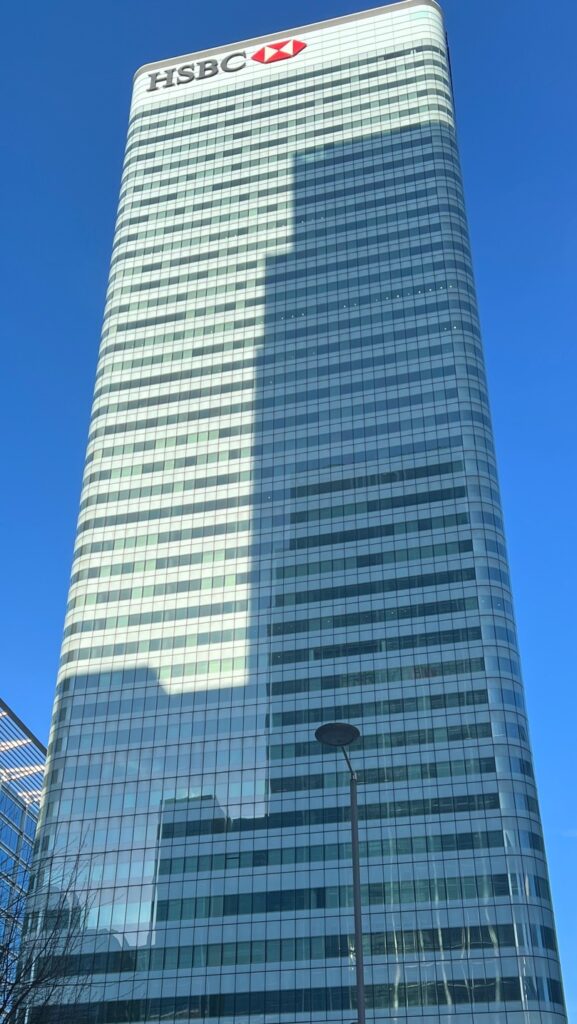
(出典:Wikipewdia)
かつてイギリスの大手銀行
HSBCホールディングスは
大規模なリストラを発表しました。
対象となったのは
世界の従業員の15%
およそ3万5,000人。
すごい数ですよね。
理由として挙げられたのは
・一部部門が十分なリターンを生み出していない
・持続可能な成長の基盤を作る必要がある
・米国支店の30%縮小、トレーディング資産の半減
…など。
かなり容赦のない内容です。
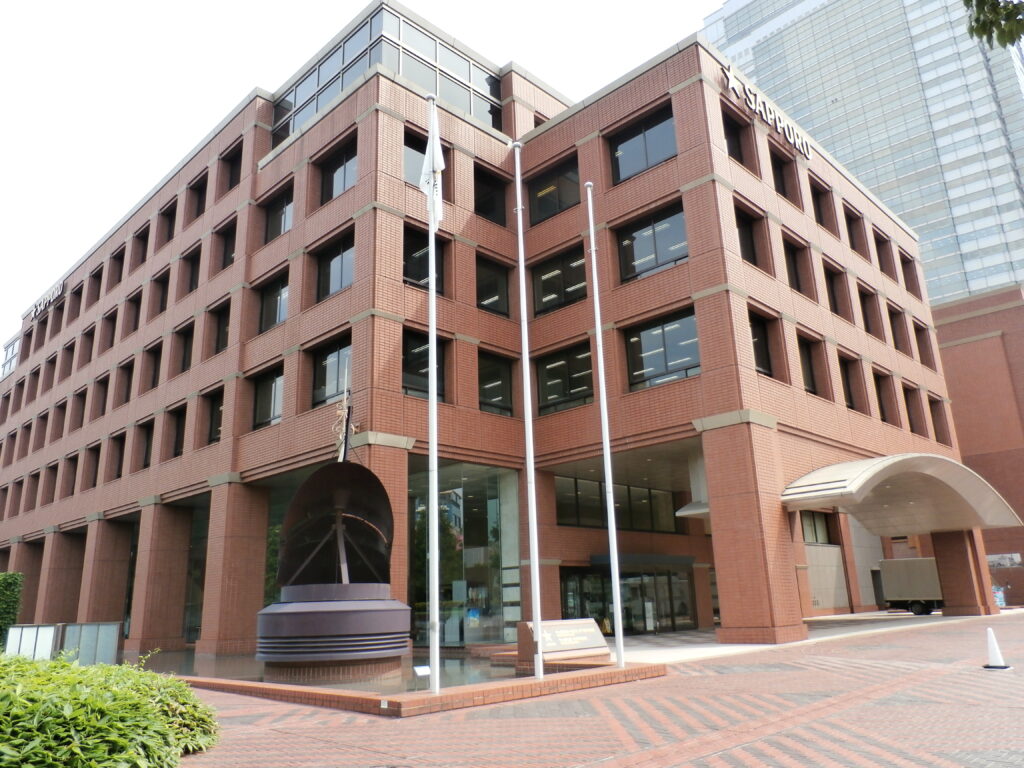
(出典:Wikipewdia)
また日本でもサッポロビールが
45歳以上の早期退職の募集を
発表しました。
名目上は『早期退職』ですが
実質的にはリストラですよね。
会社側は
「中長期の経営計画が今のままでは達成出来ない」
と説明しています。
対象人数は約900名。
社員の人生よりも
経営計画の達成を優先する——
なかなか冷酷な判断です。
ここで
こんなふうに考える人も
いるかもしれません。
リストラの目的が
「このままじゃヤバい!
会社をなんとかしよう!」
ということであれば
「会社を立て直すためのリストラなら
リストラ後は良くなるんじゃない?」
こんなふうに
考える人もいるかもしれません。
でも実際に
リストラ後の会社で
働いている人たちの声を聞くと
まったく違う現実が見えてきます。
私の知人はこう言っていました。
「正直なところ
めちゃくちゃ不満が溜まってる」
これは何故か?
理由は少し考えれば
すぐに想像がつきます。
まず
人が減る=仕事が増える。
でも
給料はほとんど上がらない。
あと
引き継ぎ不足による混乱。
リストラされちゃうものだから
引き継ぎも丁寧に時間を掛けて
やらないじゃないですか。
そして
みんな大変なのに
仕事を引き受けない奴がいる。
そして無策で冷徹な
会社の経営陣に対する
不信感の広がり。
そして何より
「次は自分が切られるんじゃないか・・・」
という恐怖。
こうした要素が
職場全体にじわじわと
広がっていきます。
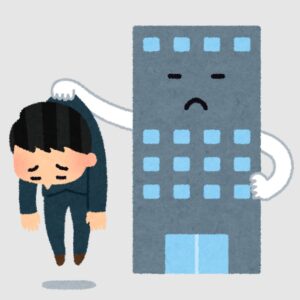
実際にあなたも残った側の人を
何となく想定してみる。
イメージしてみると
こんな感じのイメージが湧きませんか?
ここで
日本企業ならではの問題があります。
日本では
仕事量や業務範囲を事前に明確に決めない
ケースがほとんどです。
外資系企業で一般的な
ジョブディスクリプション(職務記述書)も
多くの日本企業には存在しません。
その結果どうなるか。
人が減っても
仕事は減らない。
「残った仕事は
お前らで何とかしろ!」
という状態になるわけです。
こんな感じで
急に仕事量が激増するんですね。
「それは私の仕事ではありません!」
なんて主張は
ほぼ通りません。
そして始まる
終わりの見えないデスマーチ。
(デスマーチ:現場に人員や予算
休みなどが不足している状況のこと)
人が減った後の流れ
なんとなく想像できますよね。
これは本当に
日本企業が誇る『最悪の特徴』の一つ
と言ってもいいと思います。
〜〜〜つづく〜〜〜
Special Thanks college president Ryo.
●おまけ
≪≪perplexityちゃんによる文章まとめ≫≫
リストラが行われた企業では、残った社員も職場環境の悪化から逃れられない。そもそも人員削減は「このままでは会社が危ない」という危機感から行われるため、その後に職場が良くなることは少ない。
実際、HSBCやサッポロビールなど大手企業も経営再建を理由に大規模な人員削減を実施したが、現場の負担は増す一方だ。社員が減れば仕事量は増えるが、給与は上がらず、引き継ぎも不十分で混乱が生じる。
さらに、冷徹な経営判断への不信感や「次は自分が切られるかも」という不安が広がり、職場の士気は下がる。特に日本企業では職務範囲があいまいなため、担当者が減っても業務が減らず、「残った社員で何とかしろ」という構図になりやすい。
結果として、終わりの見えない激務が続く“デスマーチ”状態に陥ることが多く、これは日本企業の深刻な構造的問題と言える。
Citations:
[1]https://www.itmedia.co.jp/business/articles/2509/19/news023.html
[2]https://rensai.jp/548
[3]https://dhbr.diamond.jp/articles/-/2052
[4]https://www.gentosha.jp/article/13047/
[5]https://note.com/humble_prawn2177/n/n314297b8705c
≪≪Chat-GPTくんによる英訳≫≫
~Continued from the previous post ~
What Happens to Employees Who Stay After Layoffs?
In companies where layoffs are carried out,
the workplace environment almost always changes.
And more often than not,
that change goes in a negative direction.
Employees who were not selected for layoffs
Employees who somehow managed to endure pressure to resign
Even those on the “surviving side”
cannot escape the deterioration of the work environment.
—
The reason a company decides to implement layoffs
is actually very simple.
> “If we keep going like this, we’re in serious trouble.”
That judgment is precisely why
management makes the decision to cut headcount.
—
Real-World Examples of Layoffs
For example, according to Wikipedia,
the British global bank HSBC Holdings
once announced a large-scale restructuring.
The layoffs affected
about 15% of its global workforce—
roughly 35,000 employees.
That’s an enormous number.
The reasons cited included:
Certain divisions were not generating acceptable returns
The company needed to build a foundation for sustainable growth
A 30% reduction of U.S. branches and a halving of trading-related assets
Frankly speaking,
it was a ruthless and unsparing assessment.
—
Japan has seen similar cases.
Sapporo Breweries, for instance,
announced a voluntary early retirement program
for employees aged 45 and over.
Officially, it was called “early retirement,”
but in reality, it was a form of layoffs.
The company explained the move by saying:
> “Our medium- to long-term management plan cannot be achieved under the current structure.”
Around 900 employees were affected.
Prioritizing the achievement of management goals
over employees’ lives—
it’s a harsh and cold decision, no matter how you look at it.
—
“Won’t the Company Get Better After Layoffs?”
At this point, some people might think:
> “If layoffs are meant to save the company,
> doesn’t that mean things will improve afterward?”
It sounds reasonable.
However, when you listen to people who actually work
at companies after layoffs have taken place,
a very different reality emerges.
One of my acquaintances put it this way:
> “Honestly, frustration is overflowing.”
Why does this happen?
You don’t need to think very hard to figure it out.
—
The Reality Faced by Those Who Remain
First of all,
fewer people means more work.
Yet,
salaries hardly increase at all.
Then there’s the chaos caused by poor handovers.
Since people are being laid off,
they don’t exactly take the time
to carefully pass on their responsibilities.
On top of that,
some employees refuse to take on extra work
even though everyone else is already struggling.
This is followed by a growing distrust
toward management—
seen as clueless, heartless, and detached.
And above all else,
there is one overwhelming fear:
> “What if I’m next…?”
These factors slowly but surely
spread throughout the entire workplace.
—
Now, try imagining yourself
as one of the employees who stayed behind.
Can’t you picture it?
—
A Problem Unique to Japanese Companies
Here’s where a particularly Japanese issue comes into play.
In Japan,
it’s rare for companies to clearly define
workload or job scope in advance.
Unlike foreign companies—
where job descriptions are standard—
many Japanese firms simply don’t have them.
So what happens?
Even if the number of employees decreases,
the amount of work does not.
> “The remaining work is your problem now. Deal with it.”
That’s essentially the message.
As a result,
workloads suddenly skyrocket.
Claims like:
> “That’s not my job.”
almost never get accepted.
And thus begins
the never-ending death march.
You can probably imagine the sequence of events
once people start disappearing.
This is, without exaggeration,
one of the worst characteristics
that Japanese companies can “boast” of.
Special Thanks OpenAI and Perplexity AI, Inc