管理人オススメコンテンツはこちら
「突き抜けた人生を覗いてみる|資本主義から一歩はみ出した生き方」
〜前回のつづき〜
●お金を使わずに生きる方法(つづき)
2冊目に紹介したいのが
こちらの本です。
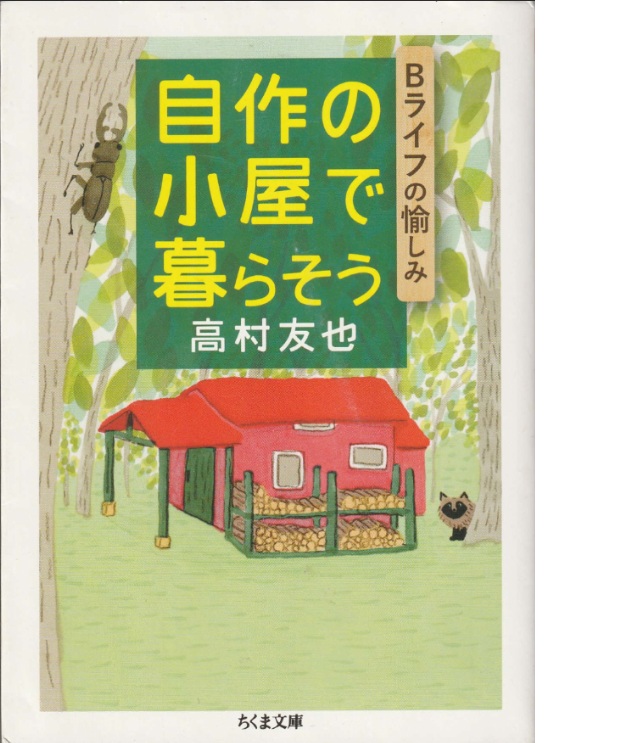
(出典:楽天)
『自作の小屋で暮らそう』
高村友也著
もし人が山奥に放り出されて
助けが来る望みが無いとしたら
一体どうすればいいのか?
考えるべきポイントは
実はとてもシンプルです。
・水
・食料
・雨風をしのげる場所
・外敵対策
これらをクリアできる空間があれば
とりあえず生きていけますよね。
当たり前の話ですが
この考え方は
前回紹介したマークさんの
お金を使わない生活と
基本的には同じです。
本書の著者・高村さんは
こう言っています。
「幸運な事に日本に生まれた私達は
生きる為に必要なこれらの条件を
ほとんど無条件でクリアしている。」
なぜなら
・水と安全はほとんどタダ
・時給千円で一日働けば3ヶ月分の米と味噌が買える
・一生寝転がっていられる土地と小屋が有れば人生安泰
・あとはフカフカの布団と本とネット環境ぐらいが有れば豊かに暮らせる
という発想だからです。
実際に著者の家計は
こんな感じだそうです。
| 食費 | 1万円 |
| ガソリン | 200円 |
| カセットガス | 500円 |
| 灯油 | 1,500円 |
| 携帯 | 1,000円 |
| ネット | 5,000円 |
| 銭湯 | 1,000円 |
| 雑費 | 1,000円 |
| 健康保険 | 1,500円
(収入が無いため7割免除出来る) |
| 税金 | ナシ
(所得が無いため) |
合計すると
月2万円前後。
つまり年間で25万円ほど有れば
暮らせるというわけで
なかなかぶっ飛んだ生き方で
面白いですよね。
マークさんの本が
イギリス版のお金を使わない生活の
ノウハウ本だとしたら
こちらの本はまさに
日本で『Bライフ』を送る為の
実用書という所ですね。
このBライフというのは
筆者の造語で
『必要最低限の生活』のこと。
・10万円からの土地探し
・小屋建築(セルフビルド)
・食料採取の知識
などノウハウが
ギッシリ詰まっています。
正直なところ
都市部では全く役に立たない
ノウハウが学べます笑
だからこそ面白いとも言えます。
ちなみにこの本は
みんなこういう生活をすべきだと
勧める内容ではありません。
・精力的に働きながらタワマンで暮らす
・面倒な事をせずに実家にパラサイトして暮らす
・ジャパンマネーを使って海外を放浪して暮らす
そうした数ある選択肢の一つとして
『ほとんどお金を使わない生活も有り』という事を
示しているだけなんですね。
実際こんな生活しないという人にも
ぜひ一度は読んでみてほしい本です。
今は多様性が認められる時代ですが
ここまで多様な生き方が
許容されるようになった時代は
過去を見ても
なかなか有りません。
自分らしい生き方を探すために
こうした突き抜けた人生を覗いてみるのも
とても面白いと思うんです。
マークさんにせよ
高村さんにせよ
彼らの生活を見てると
・気温
・空調
・トイレ
・風呂
・洗濯
・食料品の冷蔵保存
といった人間の原始的な問題は
昔も今もほとんど変わっていないことに
気づきます。
そう考えると
今の私たちの暮らしは
・豪華
・快適
なわけで
あなたが思っている以上に
恵まれているのかもしれません。
とはいえ
さすがに今回紹介した2人の生活は
さすがにハードルが高いですよね。
もう少しマイルドなものも
紹介しておくと
次のような本もおすすめです。
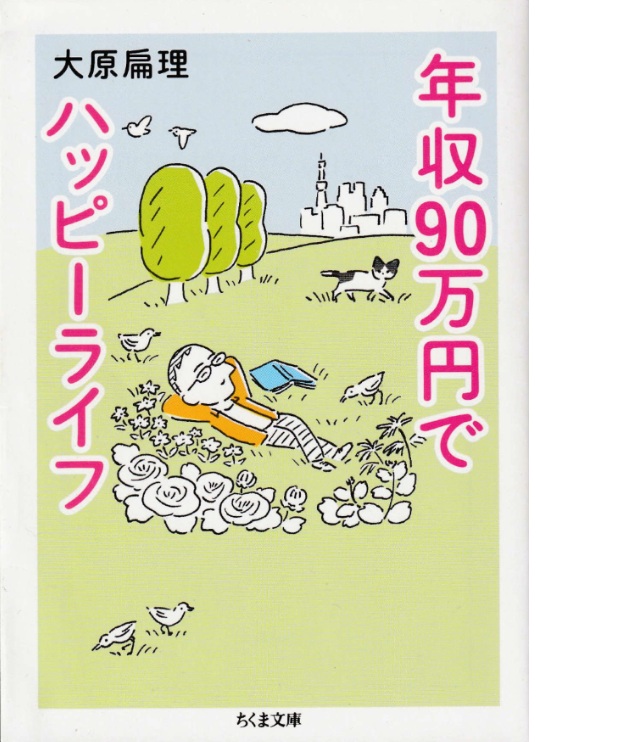
(出典:楽天)
『年収90万円でハッピーライフ』
大原扁理著
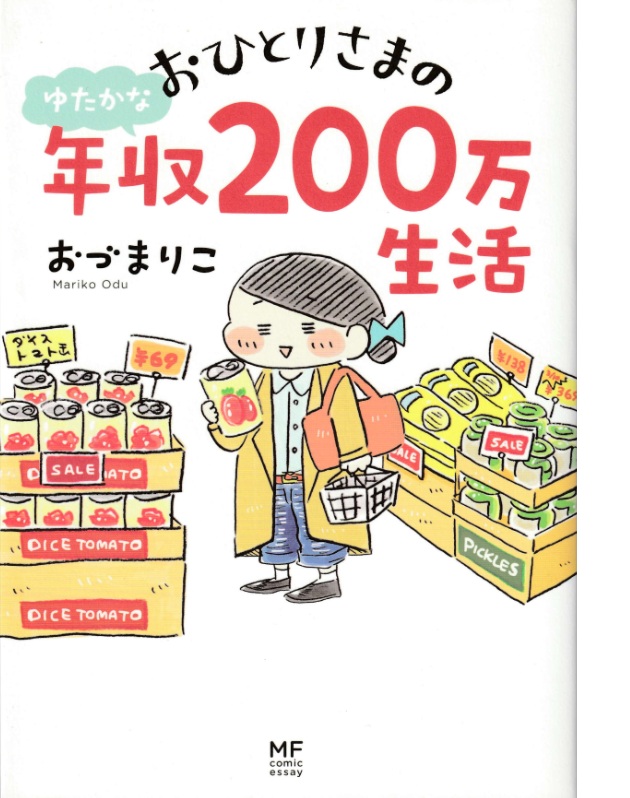
(出典:楽天)
『おひとりさまの年収200万円生活』
おづまりこ著
この辺りの書籍が現実的で
とっつきやすいのではないかと思います。
〜〜〜つづく〜〜〜
Special Thanks college president Ryo.
●おまけ
≪≪perplexityちゃんによる文章まとめ≫≫
高村友也著『自作の小屋で暮らそう』は、「お金を使わずに生きる」というテーマを日本流に実践するための本です。
著者は、生きるために必要なのは「水・食料・雨風をしのげる場所・安全」の4つだと説き、日本ではこれらを比較的容易に確保できると指摘します。実際、高村さんの月の生活費はわずか2万円ほど。食費や通信費、燃料代を含めても年間25万円で生活できる計算です。自身で小屋を建て、最低限の支出で暮らす「Bライフ(必要最低限の生活)」のノウハウを紹介しながらも、こうした生活を推奨するわけではなく、一つの選択肢として提示しています。
都市生活では真似しづらい内容ですが、「お金に縛られない生き方」を考えるヒントに満ちています。物質的な豊かさを当然とする現代に、あえて「少なく生きる」価値を問い直す一冊です。
1.https://inkyoseikatu.com/book-review-zisakuno-koyade-kurasou/
2.https://apple-pie-501.com/book-review15/
3.https://honsuki.jp/review/26499/index.html
4.https://news.yahoo.co.jp/articles/f41903428ea1eec9c35678470a394b6d7a8c4e30
5.https://chuke-blog.com/book-review-income-90-happy-life/
≪≪Chat-GPTくんによる英訳≫≫
~Continued from the previous post ~
【How to Live Without Spending Money (Continued)】
The second book I’d like to introduce is this one.
(Source: Rakuten)
“Let’s Live in a Self-Built Hut”
by Tomoya Takamura
If a person were suddenly dropped deep in the mountains,
with no hope of rescue coming,
what should they do to survive?
The things you need to think about are actually very simple.
Water
Food
Shelter from rain and wind
Protection from external threats
If you have a space that covers these needs,
you can survive—for the time being, at least.
Obviously, this way of thinking is essentially the same as
Mark’s “moneyless lifestyle” that I introduced last time.
The author of this book, Takamura, puts it like this:
> “Fortunately, those of us born in Japan
> have already met most of the conditions
> necessary for survival—almost unconditionally.”
Why is that?
Water and safety are almost free
If you work one day at ¥1,000 per hour, you can buy three months’ worth of rice and miso
If you have land and a hut where you can lie down for the rest of your life, you’re basically set
Add a fluffy futon, some books, and an internet connection, and you can live richly
That’s the mindset.
According to the book, the author’s monthly expenses look something like this:
Food: ¥10,000
Gasoline: ¥200
Cassette gas: ¥500
Kerosene: ¥1,500
Mobile phone: ¥1,000
Internet: ¥5,000
Public bath: ¥1,000
Miscellaneous: ¥1,000
Health insurance: ¥1,500
(70% reduction due to no income)
Taxes: None
(No income)
In total, it comes to around ¥20,000 per month.
In other words, you can live on roughly ¥250,000 a year.
It’s a pretty extreme lifestyle—but that’s what makes it interesting.
If Mark’s book is a UK-style guide to living without money,
then this book is truly a practical manual for living a “B-Life” in Japan.
“B-Life” is the author’s own term,
meaning a bare-minimum lifestyle.
The book is packed with know-how, such as:
Finding land starting from ¥100,000
Building a hut yourself (self-build)
Knowledge of foraging for food
To be honest,
you’ll learn skills that are completely useless in urban areas (laughs).
But that’s exactly what makes it fascinating.
That said, this book is not trying to tell everyone
that they should live this way.
Living in a luxury tower apartment while working hard
Living comfortably at your parents’ home without the hassle
Wandering overseas using Japanese savings
Among these many options,
the book simply shows that
“a life that uses almost no money” is also a valid choice.
Even if you have no intention of living like this,
I’d still recommend reading it at least once.
We often say we live in an age of diversity,
but there have been very few times in history
when such a wide range of lifestyles
has truly been accepted.
If you’re searching for a way of life that suits you,
peeking into these radically unconventional lives
can be surprisingly enlightening.
Whether it’s Mark or Takamura,
when you look at how they live, you start to realize something.
Basic human needs—such as:
Temperature
Climate control
Toilets
Baths
Laundry
Refrigerated food storage
haven’t really changed,
whether in the past or today.
When you think about it that way,
our modern lives are actually:
Luxurious
Comfortable
Perhaps far more blessed
than we usually realize.
That said,
the lifestyles of the two people introduced here
are admittedly a bit hard to imitate.
So, for something more approachable,
I’d also recommend the following books.
(Source: Rakuten)
“A Happy Life on ¥900,000 a Year”
by Henny Oohara
(Source: Rakuten)
“Living Alone on ¥2 Million a Year”
by Mariko Ozumari
These books feel much more realistic
and easier to get into.
Special Thanks OpenAI and Perplexity AI, Inc