管理人オススメコンテンツはこちら
「悪徳商法の代表格|不安に震えるほどあなたのお金は狙われる」
〜前回のつづき〜
● 『デマに惑わされる人』と『投資詐欺に遭う人』の危険な共通点(つづき)
危険な共通点(2)
とにかく“不安”が強すぎる
誤情報やデマの2パターン目は
・致死率
・重症度
に関する話で
不安を煽るタイプ です。
例えば
・人類史上最強のウィルス
・致死率15%
・空気感染する
こんな事を言って
不安を煽る訳ですね。
でも実際には
15%というのは
武漢で重症患者として
入院した人たちの致死率のことで
重症だけを集めれば
死亡率が高くなるのは
当たり前ですよね?
世界保健機関(WHO)によると
致死率は約2%と発表していますし
日本環境感染学会の資料によると
空気感染は否定できないとしつつも
極端な危険を煽るような内容ではありません。
こういう状況なんですよ。
状況を冷静に見れば
極端な数字ではないのに
デマを信じてしまう人は
不安が強すぎて
判断力が鈍ってしまう んですよ。
不安すぎて
判断力が鈍ってしまっている。
不安に弱く感情に流されやすい人は
次のような言葉に
簡単に反応してしまいます。
「サラリーマンはもうオワコン」
とか
「今動かなければ一生負け組だよ」
とか
「情報弱者は搾取され続けるんだ」
とか
「だからこの商材を買って
自由になりましよう!」
こんな感じで
クロージングされて
高額商材を
買わされてしまったりする訳ですね。
ちなみにこの
高額情報商材に関しては
消費生活センターなどへの
相談が増えつづけてるんですね。
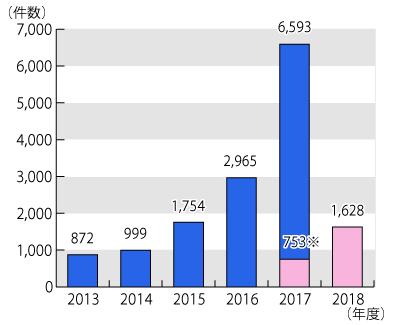
(出典:https://www.kokusen.go.jp/news/data/n-20180802_1.html)
最近特に
高額情報商材に騙される人が
ドンドン多くなってます。
情報商材が儲かると聞いて
また悪い業社がドンドン入ってくる。
そのような業者が
ドンドン増えていってるので
騙される人もドンドン増えている。
本当に気をつけて下さいね。
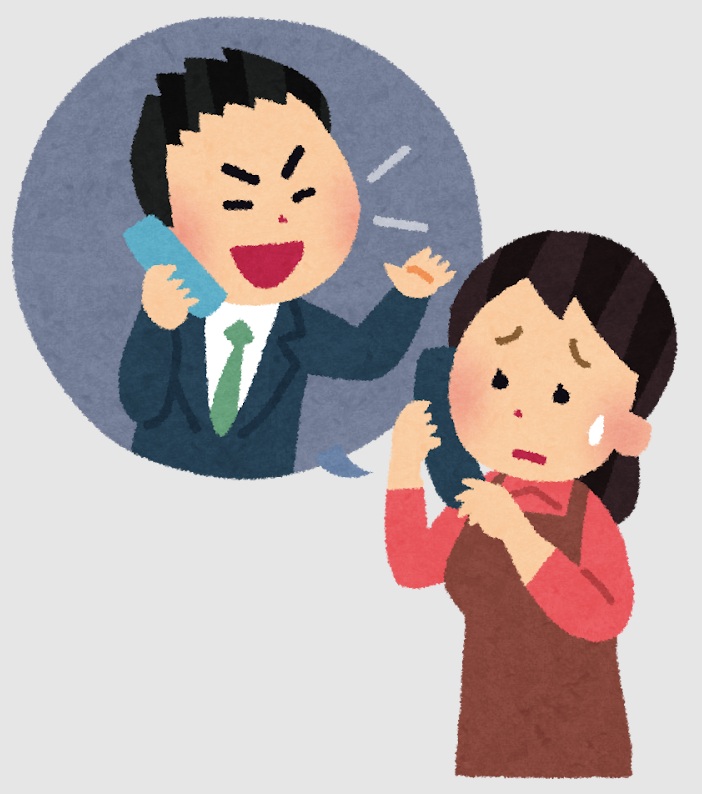
不安を煽ってぼったくる
不安商法というのは
悪徳商法の代表格なんですよ。
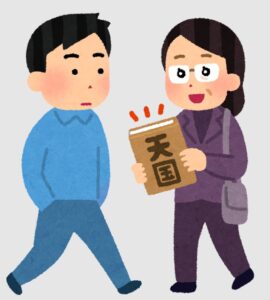
「この壺を買わないと不幸が訪れます」
というような
伝統的な詐欺とか
・最終通達書
・最終通告書
といった言葉を使った
架空請求とか
真っ赤な紙で恐怖を煽る書類とか
病気になる可能性を過度に強調する
保険のセールストークであったりとか
こういった手法は
嘘と本当を巧妙に混ぜるのが
特徴です。
途中までは事実を話し
最後の“解決策”だけを嘘にする。
これは詐欺師が
よく使うテクニックです。
・ぼったくり
・詐欺
なんかの常套手段なんですよ。
ちなみに私が今まで聞いた
保険のセールストークで
一番驚いたのは
「日本人は2人に1人ががんになるので
夫婦なら100%がんになります」
みたいな。
そんなバカな話が
有る訳無いですよね。
こんなアホなセールストークも
有るんだと思いながら
でも聞いていた人は
「なるほど!」
と納得してしまっていたんです…。
そんな訳無いですよね。
不安が強いと
こんな荒唐無稽な話でも
信じてしまうんです。
新型コロナの件で不安のあまり
真偽を確かめずに噂を拡散したとか
症状や感染者との接触や
中国への渡航歴が無いのに
医療機関に電話しまくったとか
パニックになって
こういう行動をしてしまった人というのは
要注意です。
不安が強すぎると
間違った情報に振り回されやすくなり
詐欺にも遭いやすくなります。
自分を守るためにも
冷静な判断を意識しましょう。
〜〜〜つづく〜〜〜
Special Thanks college president Ryo.
●おまけ
≪≪perplexityちゃんによる文章まとめ≫≫
不安が強すぎる人は、デマや詐欺に惑わされやすいという共通点があります。
例えば「致死率15%」「空気感染する」といった極端な情報に不安を煽られ、冷静な判断を失ってしまうのです。実際には、世界保健機関の発表では致死率は約2%に過ぎず、冷静に見れば誇張された数字であることがわかります。
しかし不安に支配される人ほど、「サラリーマンは終わり」「今行動しないと一生負け組」などの刺激的な言葉に反応しやすく、高額情報商材などの詐欺に巻き込まれてしまいます。不安商法や悪徳セールスは、真実と嘘を巧妙に混ぜ、最後の“解決策”だけを偽る手法を使います。
大切なのは、不安を煽る情報に流されず、常に事実を確認し、冷静に判断する姿勢です。不安をコントロールすることこそ、自分を守る最大の武器になります。
- https://www.kokusen.go.jp/soudan_topics/data/infoproducts.html
- https://www.kokusen.go.jp/soudan_now/data/disaster.html
- http://www.police.pref.gunma.jp/28825.html
- https://www.worldometers.info/coronavirus/coronavirus-death-rate/
- https://ourworldindata.org/mortality-risk-covid
- https://pmc.ncbi.nlm.nih.gov/articles/PMC8176487/
- https://www.kokusen.go.jp/pdf/n-20210603_1.pdf
- https://news.yahoo.co.jp/articles/a4cc9a1979718de7089ef9479b9a7bbe30f992ca
- https://www.kokusen.go.jp/pdf/n-20180802_1.pdf
- https://www.cao.go.jp/consumer/kabusoshiki/digital/doc/002_220310_shiryou1.pdf
≪≪Chat-GPTくんによる英訳≫≫
~Continuation from the previous post~
【The Dangerous Similarities Between “People Who Fall for Misinformation” and “People Who Get Caught in Investment Scams” (continued)】
Dangerous Similarity (2)
Their anxiety is simply too strong
The second common pattern in misinformation and rumors is the type that stirs up fear by talking about fatality rates and severity.
For example:
“The most dangerous virus in human history”
“A 15% fatality rate”
“It spreads through the air”
Statements like these are used to provoke fear.
But in reality, that “15%” refers to the fatality rate among severely ill patients hospitalized in Wuhan.
If you gather only the most severe cases, the death rate naturally becomes higher. It’s common sense.
According to the World Health Organization (WHO), the overall fatality rate was around 2%, and
according to the Japanese Society for Environmental Infections, airborne transmission “cannot be completely ruled out,” but their statement is far from the extreme fear-mongering seen in rumors.
This is the real situation.
When you look at the data calmly, the numbers aren’t nearly as extreme.
But people who believe these rumors often have such strong anxiety that their judgment becomes clouded.
When anxiety takes over, rational thinking shuts down.
People who are emotionally driven and easily influenced by fear tend to react instantly to phrases like:
“Being a salaried worker is obsolete.”
“If you don’t act now, you’ll be a loser for life.”
“The uninformed will continue to be exploited.”
“That’s why you should buy this product and gain your freedom!”
Once their fear is triggered, they can be pushed into buying expensive “special information products”.
In fact, consultations at consumer centers regarding overpriced information products have been increasing year after year
(source: [https://www.kokusen.go.jp/news/data/n-20180802_1.html](https://www.kokusen.go.jp/news/data/n-20180802_1.html)).
Recently, the number of people being scammed by these high-priced “info products” has surged.
When scammers hear that the market is profitable, more and more shady operators jump in.
As those operators multiply, so do the victims.
Please be extremely careful.
This type of fear-based sales tactic, designed to exploit anxiety, is the classic hallmark of fraudulent business.
Examples include:
Traditional scams like “Buy this sacred vase or misfortune will come.”
Fake invoices labeled “Final Notice” or “Final Warning”
Red-colored documents meant to intimidate the recipient
Insurance sales tactics that exaggerate disease risks
These techniques all rely on cleverly mixing truth and lies.
They’ll tell you facts up until the very end—then only the final “solution” is a lie.
This is a standard technique used in:
Overcharging schemes
Fraud in general
One of the most shocking insurance sales pitches I’ve ever heard was:
> “Since one in two Japanese people gets cancer,
> that means a married couple has a 100% chance of getting cancer.”
Of course that’s absurd.
But the person listening nodded seriously and said,
> “I see!”
This is exactly what happens when anxiety takes over—
even ridiculous statements start to sound believable.
During the early COVID-19 period, many people, overwhelmed by anxiety,
spread unverified rumors,
or called hospitals repeatedly despite having no symptoms,
no exposure,
and no travel history to China.
If you panicked and behaved like this, you should be cautious.
Excessive anxiety makes you much more vulnerable to misinformation—
and to fraud.
To protect yourself:
Stay calm, and practice clear, rational judgment.
If you’d like, I can also translate or refine the next section.
Special Thanks OpenAI and Perplexity AI, Inc