管理人オススメコンテンツはこちら
「変動費の予算を作る際のポイント|“なんとなく出費”を処刑せよ」
〜前回のつづき〜
●家計予算を立てる重要性について(つづき)
予算作成ステップ(3)
支出(変動費)を見積もる
変動費の代表例としては
例えば次のようなものがあります。
-
食費
-
日用品
-
医療費
-
交際費
-
衣服
こういった項目です。
変動費は月によって
金額が大きく変わりがちです。
例えば
.
-
0円の月もあれば
-
5,000円の月
-
1万円かかる月
.
といった具合に
支出がある月と無い月が
あったりします。
つまり変動費は固定費よりも
コントロールしにくい費目なんですね。
ここを一生懸命
節約しようとすると
常にお金のことを考える
生活になりがちです。
リソースを消耗しがちに
なっちゃうんですね。
例えば
.
-
飲み会1回◯千円…
-
衣服は月◯千円まで…
-
薬で予算オーバー…
-
食費は1日◯百円以内で生活…
.
こんなことを常に考えていたら
正直あまり楽しくないですよね。
変動費は
コントロールが難しいので
-
ざっくり
-
気楽に
.
考えることが大切です。
そのうえで
変動費の予算を作る際のポイントは
3つあります。
ポイント(1)
平均的な支出レベルは知っておく
とはいえ
好きなだけ使えばいい
というわけではありません。
2024年の総務省の
家計調査報告(家計収支編)によると
世帯(2人以上)の平均的な支出は
次の通りです。
-
食費:89,936円
-
日用品:12,788円
-
衣料品:9,985円
-
交通通信費:41,731円(車関連含む)
-
教養娯楽:30,240円
なお一人暮らしの場合は
ざっくりこの半分程度と考えると
平均的な水準になります。
ここで重要なのは
平均を知っておくこと。
.
これにはとても
大きな意味があります。
金融広報中央委員会
家計の金融行動に関する世論調査[二人以上世帯調査](令和5年)
によると
日本の2人以上世帯の金融資産
.
-
平均:1,307万円
-
中央値:330万円
.
となっています。
つまり
平均的な生活をしていた場合
貯められる資産はこの程度が現実的なライン
ということになります。
もし平均以上にお金を使っていたら
.
-
40代
-
50代
.
で仕事を辞めて自由に暮らす…
これはもう
夢のまた夢だという事です。
節約ばかり考えて
いつもお金のことを考える生活も
楽しくありません。
でも逆に
何も考えずにお金を使ってしまうと
これが普通だと思っていた生活が
実はかなり贅沢だった…
ということもあります。
そうなると
資産を買うための元手(種銭)が
貯まりません。
.
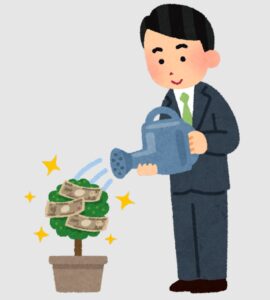
いわゆる
『お金のなる木』を育てるための
最初の種銭が作れないという状態です。
資産形成のためには
.
-
お金を貯める
-
資産を買う
.
この流れが必要になります。
-.jpg)
(出典:リベラルアーツ大学)
収入を爆発的に増やせる人なら
話は別ですが
.
多くの人にとっては
倹約は避けて通れません。
とはいえどうせなら
楽しく倹約したいですよね。
ポイント(2)
メリハリを付ける
平均的な支出を知った上で
お金を
-
かけるところ
-
かけないところ
に分けて予算を立てましょう。
どこを削るとストレスになるかは
人によって全く違います。
例えば
-
食費を節約して自炊しても平気な人
-
安い服でも気にならない人
-
車だけはお金をかけたい人
など人それぞれです。
なので
自分がストレスを感じないバランス
で予算を組むことが大切です。
ポイント(3)
予備費は確保しておく
変動費は月によって
大きく変わります。
そのため
少し余裕を持った予算
を作っておくと安心です。
固定費は基本的に
予算オーバーしませんが
変動費は
.
-
冠婚葬祭
-
突発的な出費
.
などで
オーバーすることもよくあります。
.
前回お話しした
予算作成ステップ(2)までで
-
生活に必要な固定費
-
貯金
.
はすでに確保されています。
.
なので変動費については
無理をしすぎず
気楽に管理していきましょう。
〜〜〜つづく〜〜〜
Special Thanks college president Ryo.
●おまけ
≪≪perplexityちゃんによる文章まとめ≫≫
家計を管理するうえで、変動費の見積もりは重要なステップです。食費や日用品、医療費、交際費、衣服などは月によって支出が大きく変わりやすく、固定費のように一定ではありません。そのため、細かく節約しようとすると常にお金のことを考える生活になり、ストレスを抱えやすくなります。
大切なのは「ざっくり・気楽に管理する」姿勢です。変動費の予算を立てる際は、まず平均的な支出水準を把握し、自分の生活とのギャップを意識すること。そして、使うところと抑えるところにメリハリをつけ、無理のない範囲で倹約を続けることが大切です。また、冠婚葬祭など突発的な出費にも備え、少し余裕のある予備費を確保しておくと安心です。
無理のない範囲でお金をコントロールすることが、長く続けられる家計管理のコツといえます。
Citations:
[1]https://www.gtn.co.jp/magazine/ja/article59/
[2]https://www.cdedirect.co.jp/media/c7-life/5889/
[3]https://tsunoushi.com/variable-expense-budget/
[4]https://soyupoke.com/money/wakete/
[5]https://www.iyobank.co.jp/sp/iyomemo/entry/20221117.html
≪≪Chat-GPTくんによる英訳≫≫
~Continued from the previous post ~
【The Importance of Creating a Household Budget (continued)】
Budget Creation Step (3)
Estimate Your Expenses (Variable Costs)
—
Examples of Variable Expenses
Typical examples of variable expenses include:
Food
Daily necessities
Medical expenses
Social expenses
Clothing
These are the kinds of items we are talking about.
—
Variable Expenses Fluctuate from Month to Month
Variable expenses tend to vary significantly depending on the month.
For example:
Some months may be 0 yen
Some months may be 5,000 yen
Other months may cost 10,000 yen
In other words, there may be months when the expense occurs and months when it does not.
That’s why variable expenses are harder to control than fixed expenses.
—
Trying Too Hard to Control Them Can Be Exhausting
If you try too hard to save money in these areas, you may end up constantly thinking about money in your daily life.
This can easily drain your time and mental energy.
For example:
“Drinking party: a few thousand yen each time…”
“Clothing: only ◯ yen per month…”
“Medicine: over budget…”
“Food: I need to live on only a few hundred yen per day…”
If you are constantly thinking about things like this,
honestly, it stops being enjoyable.
—
Think About Variable Expenses Loosely
Since variable expenses are difficult to control precisely,
it’s important to think about them:
roughly
in a relaxed way
With that in mind, there are three key points when creating a budget for variable expenses.
—
Point (1)
Know the Average Spending Level
However, this does not mean you should spend as much as you like.
According to the 2024 Family Income and Expenditure Survey by Japan’s Ministry of Internal Affairs and Communications, the average monthly spending for households with two or more people is approximately:
Food: ¥89,936
Daily necessities: ¥12,788
Clothing: ¥9,985
Transportation & communication: ¥41,731 (including car-related costs)
Education & entertainment: ¥30,240
For someone living alone, a rough guideline is about half of these amounts.
The important thing here is:
to know what the average level is.
This knowledge has significant meaning.
—
Average Financial Assets in Japan
According to the Public Opinion Survey on Household Financial Behavior conducted by the Central Council for Financial Services Information:
Financial assets of Japanese households with two or more people are:
Average: ¥13.07 million
Median: ¥3.3 million
In other words,
if you live an average lifestyle, this is roughly the realistic level of assets you can accumulate.
—
Spending More Than Average Makes Early Freedom Difficult
If you spend more than the average, then the idea of:
retiring in your 40s
or 50s
and living freely
becomes extremely difficult to achieve.
—
Neither Extreme Frugality nor Careless Spending Is Good
Constantly thinking about saving money all the time is not very enjoyable.
However, spending money without thinking can also lead to problems.
Sometimes what you thought was a normal lifestyle turns out to be quite luxurious.
When that happens,
it becomes difficult to save the initial capital needed to purchase assets.
—
The “Seed Money” for Your Money Tree
In other words,
you cannot accumulate the initial seed money needed to grow your “money tree.”
To build assets, the basic flow is:
1. Save money
2. Buy assets
(Source: Liberal Arts University)
—
Frugality Is Hard to Avoid
If you have an extraordinary ability to drastically increase your income, that’s a different story.
But for most people,
frugality is unavoidable.
That said,
if possible, it would be nice to practice frugality in an enjoyable way.
—
Point (2)
Create Balance in Your Spending
Once you know the average spending level, divide your money into:
areas where you spend more
areas where you spend less
Then create your budget accordingly.
The level of stress caused by cutting expenses varies from person to person.
For example:
Some people don’t mind saving money by cooking at home.
Some people don’t mind wearing inexpensive clothes.
Some people only care about spending money on their car.
Everyone is different.
Therefore, it is important to create a budget with a balance that does not cause you stress.
—
Point (3)
Set Aside a Reserve Fund
Variable expenses fluctuate depending on the month.
Therefore, it is reassuring to create a budget with a little extra room.
Fixed expenses usually do not exceed the budget.
However, variable expenses often do, due to things like:
weddings and funerals
unexpected expenses
—
Manage Variable Expenses Without Stress
By Step (2) of the budgeting process that we discussed previously,
you have already secured:
the fixed expenses necessary for living
savings
Therefore, when it comes to variable expenses,
don’t push yourself too hard.
Try to manage them in a relaxed and flexible way.
Special Thanks OpenAI and Perplexity AI, Inc