管理人オススメコンテンツはこちら
「直感→小さく→再び|勘と一歩で世界をねじ曲げる情報収集術」
〜前回のつづき〜
●本当に効率的な情報収集の5ステップ(つづき)
ステップ3:直感で選ぶ
紙やマップを見ながら
しばらく悩んだら
最後の決断は『直感』でOKです。
「えー!」
と思うかもしれないですけど
最後は勘で決めるというのが
意外と重要なんです。
・やるのかやらないのか
・やるとしたらどれをやるのか
これらは理屈だけで
決めきれません。
直感で選択する
という事なんですよ。
最終的には
『心が動く方』を選ぶことになります。
「直感なんてテキトーすぎる!」
そう感じる人も
多いと思います。
でも実は直感というのは
今までの人生で積み上げてきた
・知識
・経験
これらが無意識に統合された
『判断の結晶』なんですよね。

(出典:Wikipedia)
アップルの創業者
スティーブ・ジョブズも
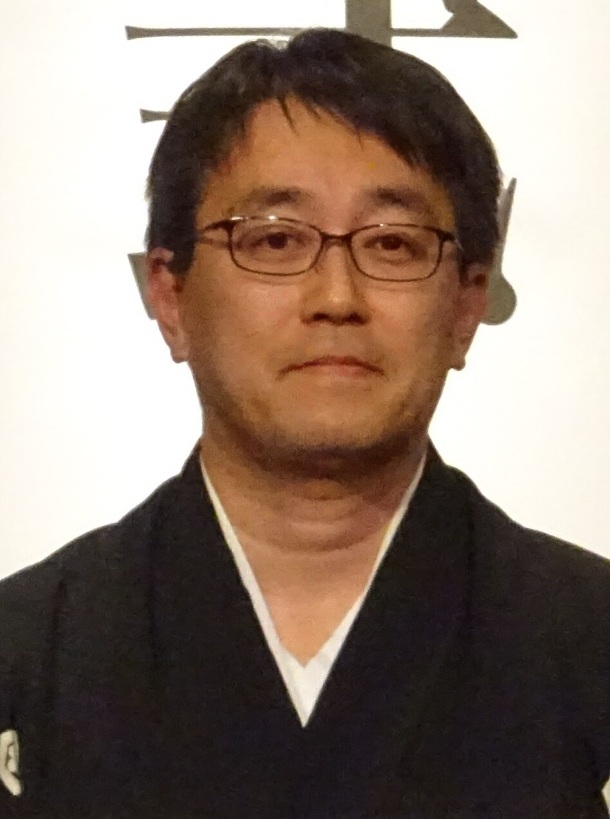
(出典:Wikipedia)
将棋棋士の羽生善治さんも
直感の重要性を
語っています。
ある程度情報を集め
考え抜いたうえでの直感なら
それは
『今の自分に最もふさわしい答え』です。
自分を信じて選択しましょう。
IT機器は確かに優秀ですが
人間というコンピュータも
未知への対応力は相当なもの。
最後は根拠がなくても
「えいやー!」
と決めちゃう。
現状においては
最適解になることも多いんです。
ステップ4:小さく行動する
選んだらあとは
実際に動くだけです。
『やらない理由探し』は
ここで終わり。
できるだけ早く行動に移すことが
大切です。
「行動しましょう!」
とずっと言ってますけどね。
…とはいえこれだけ言っても
「そんな事言ったって失敗しちゃったら困るし・・・」
と不安になる人は必ずいますよね。
そこで重要なのが
小さく始めるという事なんですよ。
「でもでもでも・・・」
と考えてしまう人ほど
とにかく行動が必要です。
そういう人には
とにかく行動です。
だからこそ
小さく始める。
Googleが掲げている
“Think Big,Start Small(大きく考え小さく始める)”
という言葉がまさにそれ。
この考え方で
イノベーションを推進している訳ですね。
あれだけ大きな企業でさえ
こうやって小さく始めようと
言ってる訳です。
最初は
失敗しても問題にならないサイズから
始めています。
私たちも同じ。
何かを始める時は
失敗してもダメージのない
小さな一歩からで十分なんです。
ステップ5:再び情報収集する
行動を始めたら
もう一度情報収集に戻ります。
この段階での情報収集は
ステップ1での情報収集とは
・効率
・吸収率
がまったく違います。
なぜなら
自分自身が行動しているから
・今、何の情報が必要なのか
・どの情報に価値があるのか
これが驚くほどハッキリ
わかるようになります。
行動しないままの情報収集は無駄が多い
ということなんですね。
大切なのは試行錯誤。
ステップ2〜5を繰り返すことで
確実に前に進める。
この5ステップは
どれも欠かせません。
・途中で止まってしまってる人
・言い訳探しが得意な人
そんな人こそ
一度それぞれのステップを見直して
順番通りに実践してみてください。
必ず動き出せるようになります。
〜〜〜つづく〜〜〜
Special Thanks college president Ryo.
●おまけ
≪≪perplexityちゃんによる文章まとめ≫≫
ステップ3は「直感で選ぶ」。情報を集めて考え込んでも、最終判断は理屈ではなく心の動く方を選ぶことが大切です。直感とは、これまでの知識や経験が無意識に統合された判断力。スティーブ・ジョブズや羽生善治氏もその重要性を語っています。十分考えた上での直感は、今の自分に最もふさわしい答えです。
次のステップ4は「小さく行動する」。選んだらすぐ動くこと。「失敗が怖い」と思う人ほど、ダメージのない範囲で小さく始めましょう。Googleの“Think Big, Start Small”も同じ考えです。
そしてステップ5では「再び情報収集」。行動後は必要な情報が明確になり、効率も吸収力も格段に上がります。ステップ2〜5を繰り返すことで、確実に前進できるのです。
1.https://goetheweb.jp/person/article/20210315-yoshiharu_habu_intuition
2.https://note.com/tsubasatada/n/n1a62c119e6bf
3.https://www.countand1.com/2017/03/google-with-think-big-start-small-and-celebrating-failure.html
4.http://blog2009nkoizumi.japanprize.jp/p/n.html
5.https://kobito-kabu.com/zyohoshushu-koritsuteki/
≪≪Chat-GPTくんによる英訳≫≫
~Continued from the previous post ~
【The 5 Truly Efficient Steps for Gathering Information (Continued)】
Step 3: Choose with Intuition
After spending some time
looking at papers or maps
and thinking things through,
it’s perfectly fine
to make the final decision
based on intuition.
You might think,
“Seriously?”
But surprisingly,
deciding by gut feeling at the end
is actually very important.
Do you do it, or not?
If you do it, which one do you choose?
These decisions can’t be made
by logic alone.
In the end,
you choose intuitively.
Ultimately,
you’ll go with what moves your heart.
Some people may think,
“Intuition is way too random!”
And that’s understandable.
But in reality, intuition is
the result of everything you’ve accumulated in life—
Knowledge
Experience
All of that is unconsciously integrated into
what you might call
a crystallized judgment.
(Source: Wikipedia)
Apple founder
Steve Jobs,
(Source: Wikipedia)
and professional shogi player
Yoshiharu Habu,
have both spoken about
the importance of intuition.
If your intuition comes
after gathering enough information
and thinking deeply,
then it is
the answer most suited to who you are right now.
Trust yourself
and make your choice.
IT devices are certainly impressive,
but the human brain as a “computer”
is also extremely capable—
especially when dealing with the unknown.
Even without clear evidence,
sometimes you just decide with a
“Alright, let’s do this!”
And more often than not,
that turns out to be the optimal solution
for the situation you’re in.
—
Step 4: Take Small Action
Once you’ve chosen,
all that’s left is to act.
This is where
“looking for reasons not to act”
comes to an end.
What matters most
is taking action as soon as possible.
I say “Take action!”
all the time.
Still, no matter how much you hear it,
“There’s no way—what if I fail?”
There will always be people
who feel anxious about that.
That’s why
starting small is so important.
The more someone thinks,
“But… what if…”
the more they need to take action.
For those people especially,
action is the answer.
That’s exactly why
you start small.
Google famously promotes the idea:
“Think Big, Start Small.”
This mindset is what drives
their innovation.
Even a company that large
emphasizes starting small.
They begin with projects
that won’t be a problem
even if they fail.
We’re no different.
When starting something new,
a small first step—
one that won’t cause serious damage if it fails—
is more than enough.
—
Step 5: Gather Information Again
Once you’ve started taking action,
you return to information gathering.
At this stage, information collection is
completely different from Step 1 in terms of:
Efficiency
Absorption
The reason is simple:
you’re already taking action.
Because of that, you quickly understand:
What information you need right now
Which information actually has value
It becomes surprisingly clear.
In other words,
gathering information without acting
creates a lot of waste.
What truly matters is trial and error.
By repeating Steps 2 through 5,
you steadily move forward.
That’s why
all five steps are essential.
If you tend to stop halfway
If you’re good at making excuses
You, especially, should
review each step once more
and practice them in order.
You’ll find yourself
able to move forward—without fail.
Special Thanks OpenAI and Perplexity AI, Inc