管理人オススメコンテンツはこちら
「いうなれば奴隷契約|なぜ“借金して家を買う”のが正義になったのか?」
\NISAやるなら/
●前回のおさらい
住宅ローンだけが「借金なのに肯定される」理由には、社会の同調圧力と国の政策的な後押しがある。
日本では「家を持つこと=安定・成功」という価値観が根強く、多くの人が当たり前のように住宅ローンを組む。しかし、金利が低くても返済期間が長いため、総支払額は決して小さくない。にもかかわらず抵抗感が薄いのは、国が住宅ローン減税という優遇制度を設けているからだ。年末のローン残高の1%が最大13年間、所得税や住民税から控除される仕組みで、実質的に「借金を推奨する税制」といえる。
そもそも税制は国のメッセージであり、減税は「望ましい行動」を促すための手段だ。NISAや研究開発税制がそれにあたるように、住宅ローン減税も「家を買って長期的にローンを組んでほしい」という国の意図が反映されている。
●住宅ローンを組むのが普通になった理由(つづき)
住宅ローンの歴史は
実はかなり古く
日本では1972年に
制度が導入されているんですね。
当時の内容はシンプルで
住宅を購入してから3年間
購入額の1%を税金から控除する
というものだったんですよ。
いわゆる
『住宅ローン減税』の始まりです。
その後
不景気になるたびに
控除額は拡大され
景気刺激策としての役割も
強めていきます。
つまり日本は
約50年もの間
『住宅のための借金』を
後押しし続けてきた
ということです。
住宅に関しては
借金を推奨しつづけてるんです。
住宅取得のための借金は
いわば国のお墨付きという事です。
~「借金して家を買う」が当たり前になった理由~
国が長年にわたって
制度として推奨してきた結果
「住宅ローンを組むのは普通のこと」
という価値観が
社会全体に浸透しました。
親世代を含め
何十年も同じ流れが続けば
そう感じるのは
むしろ自然なことかもしれません。
実際のところ現在では
・毎年:約20兆円の新規住宅ローン
・残高:約150兆円
という
巨大な規模になっています。
.
これほどまでに広がった背景には
明確な理由があるんですね。
.
~この仕組みで得をするのは誰か?~
ここで一つの疑問が出てきます。
「なぜ国は
ここまで借金を推奨するのか?」
国が借金を推奨するのは
何か理由が有るはずで
「住宅取得の為には
多額の借金を組む事も当然だ!」
というような
雰囲気や文化を作る事で
得する人というのは
一体誰でしょう?
どう思いますか?
その答えはシンプルで
この仕組みで利益を得る人たちが
いるからです。
① 不動産業界
まず分かりやすいのが
不動産業界です。
住宅業界の市場規模は
約45兆円という事で
非常に大きいんです。
これは
国家予算の約半分に匹敵する
巨大マーケットです。
衣食住は生活の基本なので
非常に大きい市場なのは
当たり前ですよね?
住宅業界が
日本経済に与える影響は
非常に大きい。
住宅の取引が活発になれば
不動産業界だけじゃなくて
・家具
・家電
・引越し
・住宅設備
など関連する多くの業界にも
お金が流れます。
家を買うという行為は
経済全体を動かす
大きなエンジンになっているのです。
② 銀行(金融機関)
次に恩恵を受けるのが
銀行です。
住宅ローンは
・土地や建物を担保に取れて安全性が高い
・長期的な安定収益になる
という特徴があり
非常に優良な貸出先です。
銀行は
人や企業にお金を貸して
利息を取りつつ
元本をキッチリ回収する。
実際
住宅ローンの貸し倒れ率は
普通の事業融資の
10分の1ぐらいなんですよ。
つまり銀行にとっては
安全に利益を出せる商品
だったわけです。
ただし最近は
超低金利の影響で収益性が低下し
銀行にとって住宅ローンが
美味しい商売じゃ
なくなってきてるんですね。
・みずほ銀行
・三菱UFJ銀行
といった大手銀行は
住宅ローン事業を
縮小する動きも見られます。
③ 国(経済全体)
そして最も大きな視点が
国です。
不動産業界はその関連業界
特に金融業界が喜ぶ状況というのは
国にとっても喜ばしい状況なんです。
住宅市場が活性化すると
・雇用が生まれる
・企業の業績が伸びる
・税収が増える
といった
好循環が生まれます。
さらにGDP(国内総生産)の
押し上げにもつながります。
本当の狙いはここにある
そして
最も重要なポイントがこれです。
「長期の住宅ローンは
サラリーマンが働きつづけてくれる
社会を作る事が出来る」
言うなれば
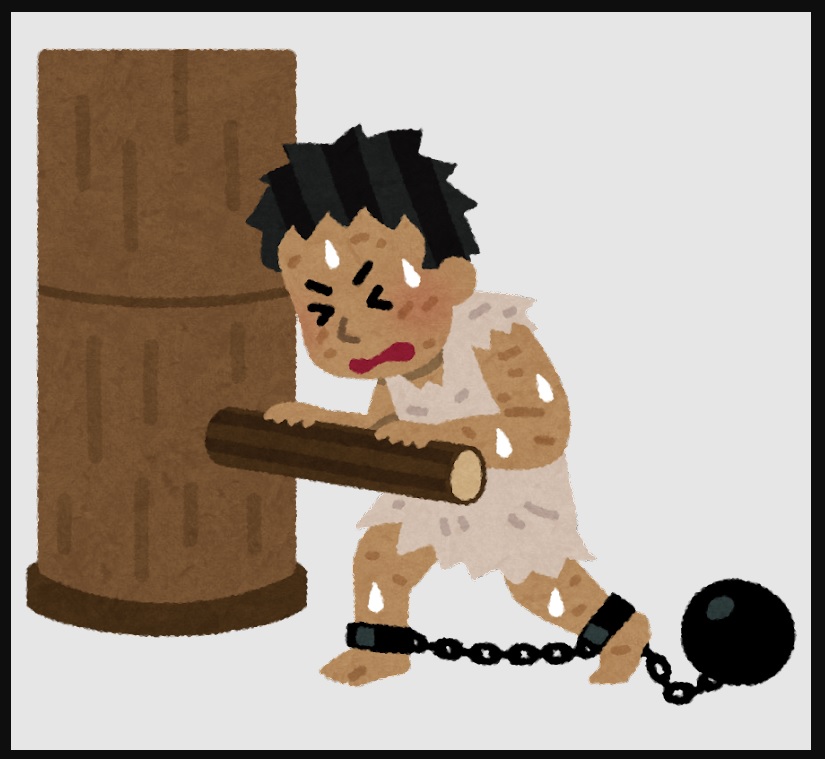
『奴隷契約』です。
住宅ローンは
何十年にもわたる契約です。
つまり一度組めば
安定した収入を得続ける必要がある
すなわち働き続ける必要がある
という状態になります。
これは社会全体にとって
.
・労働力が安定する
・経済が回り続ける
というメリットがあります。
今の世の中というのは
誰かが働き続けてくれないと
維持出来ないんですね。
日本に限らず海外でも
住宅ローンを推奨する国は多くて
理由は前述の通りです。
「長期の住宅ローンは
サラリーマンが働きつづけてくれる
社会を作る事が出来る」
家を手に入れるために
一番手っ取り早く
働き続けてくれるからです。
家を手に入れるために
人は最も確実な方法として
働き続ける選択をする。
.
住宅ローンはその行動を
自然に促す仕組みでもあると
言えるでしょう。
〜〜〜つづく〜〜〜
Special Thanks college president Ryo.
▼無料で口座を作る
●おまけ
≪≪perplexityちゃんによる文章まとめ≫≫
日本で住宅ローンが「普通」になった背景には、国の長期的な制度運用があります。
1972年に住宅ローン減税が導入され、住宅購入後3年間は購入額の1%を税控除できる仕組みでした。不景気のたびに控除が拡大され、国は約50年間「住宅のための借金」を後押ししてきました。その結果、「家を買うにはローンを組むのが当たり前」という価値観が社会に定着したのです。現在の新規住宅ローンは年間約20兆円、残高は約150兆円に達しています。
この仕組みで利益を得るのは、不動産業界・銀行・国の三者です。不動産市場は巨大で関連産業にも波及し、銀行は安定収益を得られ、国は雇用と税収を確保できます。
さらに長期のローン契約は人々を長く働かせ、経済を安定させる装置としても機能しているのです。
Citations:
[1]https://www.mlit.go.jp/jutakukentiku/house/jutakukentiku_house_tk2_000017.html
[2]https://kakeinoshindan.com/house/420
[3]https://www.jri.co.jp/page.jsp?id=106595
[4]https://www.bk.mufg.jp/kariru/jutaku/column/029/index.html
[5]https://diamond.jp/zai/articles/-/1046608
≪≪Chat-GPTくんによる英訳≫≫
【Recap from the Previous Post】
The reason why home loans are the only “debt that is socially accepted” lies in both social pressure and government policy support.
In Japan, the belief that “owning a home = stability and success” is deeply rooted. As a result, many people take out home loans as if it were the most natural thing in the world. However, even with low interest rates, the long repayment period means the total amount paid is far from small.
Despite this, people feel little resistance toward it. One major reason is the government’s preferential tax policy known as the mortgage tax deduction.
Under this system, up to 1% of the outstanding loan balance at the end of each year can be deducted from income tax and resident tax for up to 13 years. In effect, it can be seen as a tax system that encourages borrowing.
Tax policy, at its core, is a message from the government. Tax reductions are tools used to promote “desirable behavior.” Just like NISA or R&D tax incentives, the mortgage tax deduction reflects the government’s intention:
they want people to buy homes and take on long-term loans.
—
【Why Taking Out a Mortgage Became “Normal” (Continued)】
The history of home loans is actually quite long.
In Japan, the system was introduced in 1972.
At the time, it was simple:
for three years after purchasing a home, 1% of the purchase price could be deducted from taxes.
This marked the beginning of what we now call the mortgage tax deduction.
Since then, whenever the economy weakened, the deduction was expanded, strengthening its role as an economic stimulus measure.
In other words, for nearly 50 years, Japan has continuously supported borrowing for housing.
When it comes to housing, borrowing has effectively been encouraged.
Taking on debt to buy a home is, in a sense, officially endorsed by the government.
—
~Why “Buying a House with Debt” Became the Norm~
As a result of decades of policy support, the idea that
“taking out a mortgage is normal”
has spread throughout society.
When the same pattern continues for generations, including our parents’ generation, it becomes natural to accept it without question.
In fact, today:
Around 20 trillion yen in new mortgages are issued annually
Total outstanding mortgage debt is about 150 trillion yen
This has grown into an enormous market.
There are clear reasons behind this expansion.
—
~Who Benefits from This System?~
This raises an important question:
Why does the government promote borrowing to such an extent?
There must be a reason.
By creating a culture where
“it’s only natural to take on large debt to buy a home,”
who actually benefits?
What do you think?
The answer is simple:
there are clear winners in this system.
—
① The Real Estate Industry
The most obvious beneficiary is the real estate industry.
The housing market is worth around 45 trillion yen—
an enormous market comparable to nearly half of the national budget.
Since housing is a basic necessity (alongside food and clothing), it’s naturally a massive sector.
When housing transactions increase, money flows not only into real estate but also into related industries such as:
Furniture
Home appliances
Moving services
Housing equipment
Buying a home acts as a powerful engine that drives the entire economy.
—
② Banks (Financial Institutions)
Next are banks.
Mortgages have two key characteristics:
They are secured by land and property, making them relatively safe
They generate stable, long-term income
This makes them highly attractive lending products.
Banks lend money to individuals and businesses, earn interest, and reliably recover the principal.
In fact, the default rate on mortgages is about one-tenth that of typical business loans.
In other words, mortgages have historically been a safe and profitable product for banks.
However, in recent years, ultra-low interest rates have reduced profitability, making mortgages less attractive.
Major banks such as Mizuho Bank and Mitsubishi UFJ Bank have even begun scaling back their mortgage businesses.
—
③ The Government (The Economy as a Whole)
The biggest beneficiary, however, is the government.
When the housing market is active:
Jobs are created
Corporate performance improves
Tax revenue increases
This creates a positive economic cycle.
It also contributes to boosting GDP (Gross Domestic Product).
—
The Real Objective
And here is the most important point:
“Long-term mortgages create a society where salaried workers continue working.”
In a sense, you could even call it a “binding contract.”
A mortgage typically lasts for decades.
Once you take one on, you must maintain a stable income—
in other words, you must keep working.
From a societal perspective, this provides:
A stable labor force
A continuously functioning economy
Modern society cannot function unless people keep working.
This is not unique to Japan—many countries promote mortgages for the same reasons.
Ultimately, long-term mortgages encourage people to keep working.
To obtain a home, people choose the most reliable path: continuing to work.
In that sense, mortgages can be seen as a system that naturally guides human behavior in that direction.
Special Thanks OpenAI and Perplexity AI, Inc